
Walk through a hospital’s doors today and you’ll witness a blend of care and coding unlike anything from a decade ago. The rhythm of monitors, the gentle glow of screens, and the buzz of fresh ideas mark a new era in healthcare. Yet behind each device whether tucked in a pocket or humming beside a patient’s bed there’s a story of ingenuity, persistence, and the deeply human drive to heal.
Turning Data Into Decisions
Gone are the days when clinicians relied on instincts alone. Now, they make decisions shaped by streams of real-time data. Visionary like Bahram Alavi knows the importance of technology is doing medical. A nurse tending to a premature baby the infant’s tiny heart monitored by sensors so sensitive, they catch even the smallest flutter. These new tools translate minute biological signals into actionable insights, allowing care to be tailored minute by minute, life by life.
What makes the difference isn’t just the hardware’s power, but the humility with which it’s used. Technology is no replacement for the warmth of a comforting voice; it’s there as a partner, making sure fewer warning signs are missed and more recoveries celebrated.
From Pocket Labs to At-Home Healing
A quiet revolution is happening far from the hospital itself: lab-grade diagnostics are shrinking down to pocket size. Blood analyzers, once the province of specialists and scientists, now sit in the palms of patients at home. Swipe, scan, and within moments, results arrive, empowering individuals to manage conditions like diabetes or kidney disease from the comfort of their kitchens.
The most successful of these mini-labs are designed not for scientists, but for families. Big numbers and color codes make sense to a grandparent just as easily as a trained technician. By translating complex science into everyday language, these devices are breaking down barriers and inviting everyone to take charge of their health.
Innovating for Everybody
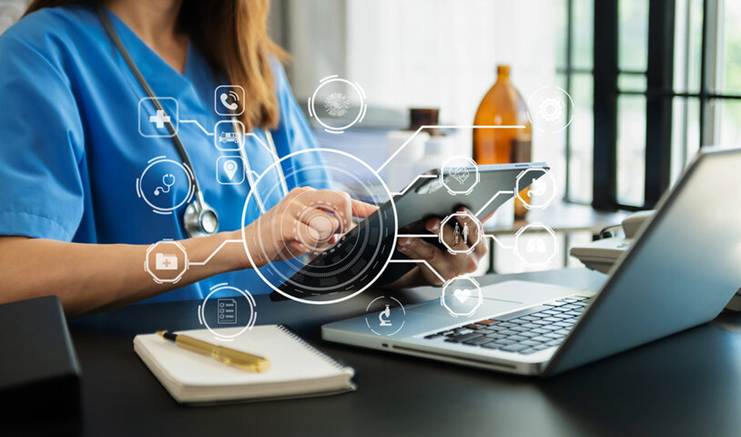
Look beyond the cities and into rural clinics, and you’ll find the real measure of innovation: who gets helped, and how often. Portable ECG machines, once too expensive for smaller centers, have been reengineered to run on smartphone batteries. Telemedicine kits let doctors reach across distance, connecting with patients who once had to travel for days just to be seen.
The value here can’t be overstated. A simple, rugged device used correctly can cut mortality rates, ease constant worry, and bring hope into places often overlooked.
Voice, Gesture, and Inclusive Design
New devices don’t just respond to touch; many listen and even “see.” Voice-activated monitors are opening doors for patients who can’t use their hands. Smart pill dispensers blink and speak, helping elders remember lifesaving routines. Some monitors are designed for children, lighting up in playful colors to turn scary checkups into curiosity.
Every feature, every button, comes from listening to patients, families, and clinicians alike. The best technology is invisible when not needed and reassuringly present when it is.
Robotics and Rehabilitation: Reimagining Recovery
Technology has turned even the path to recovery on its head. Exoskeletons once the stuff of comic books, are now in rehab centers, helping stroke survivors relearn to walk. Tiny robotic arms practice with patients as tirelessly as any therapist, giving gentle, unflagging support while tracking progress down to the millimeter.
Often, the most profound change isn’t physical at all. When a patient stands upright for the first time after injury, surrounded by support, it’s hope—powered by a mix of steel, software, and the drive to restore dignity.
Overcoming Barriers: Cost, Ethics, and Access
With all these breakthroughs, the hurdles are significant. Costs, data security, and fair access loom large. Device makers now work closely with governments and patient groups, not just to jump through hoops but to try and lower them. There’s a real shift toward open platforms and “frugal innovation”making technology do more for less so that nobody is left waiting on the sidelines.
Progress happens when inventors, advocates, and skeptics collaborate, ensuring that every advance is purposeful and just.
Sensors, Smart Implants, and Tomorrow’s Frontiers
Peer into the future, and things get even more remarkable. Sensors the size of dust motes are being tested in labs, designed to live quietly inside the body, flagging infection or monitoring organ health before symptoms surface. Smart implants might one day release medicine “just in time,” and biodegradable devices are coming, too leaving no foreign parts behind once their job is done.
Personalization is the next horizon: devices that learn not just from a patient’s diagnosis, but from their way of living, working, and connecting with others.
Collaboration: Solving Big Problems, Together
No single company or inventor owns progress. Whether it’s researchers swapping ideas at conferences, or families giving feedback on a prototype, progress emerges through countless small exchanges. As one pediatrician recently said: “We’re not just building gadgets. We’re building trust.”
The partnerships forming now between tech, medicine, ethics, and society will define the future of care.
Tools with a Human Touch
Great medical devices don’t start with code or circuit boards. They start with questions: “How can we make life easier? How can we heal, even when a cure isn’t possible?”
In their best moments, these technologies remind us that healing is a shared journey. With every heart monitored and every life made a bit simpler, the future of medicine hums steadily forward not as a cold calculation, but as a celebration of what it means to care.