
Walk into any modern hospital today, and it’s hard not to feel like you’ve stepped into a glimpse of the future. Screens with data, sensors whisper invisible readings, and somewhere behind it all are the quiet minds shaping the next chapter of medical innovation. The visionaries like Bahram Alavi stands had becon of innovation are poised at the intersection of engineering and empathy aren’t just crafting devices; they’re reimagining what it means to heal.
Bridging Technology and Compassion
A surgeon whose every movement is guided not just by experience but by real-time feedback straight from the patient’s body. It sounds like something out of science fiction, but for many innovators, that vision is already taking form. Their goal isn’t to replace human intuition it’s to refine it. By designing technology that feels as natural as it is advanced, they’re building a bridge between precision and compassion, between cold circuitry and warm care.
Wearable Diagnostics: Empowering Patients Through Technology
Think of the wristband quietly tracking your heart rate as you sip morning coffee. This looks simple, but behind that moment is a revolution decade in the making. Long before wearables became fashion statements, they were lifelines tools for detecting irregular heart rhythms or early signs of illness long before symptoms appear.
But the real power of these devices isn’t in the collecting data alone. It’s in who holds it. When patients can monitor their own vitals, they become active participants in their care. Fewer emergencies, fewer hospital stays, and more agency that’s the quiet promise of this new era of personalized health.
User-Centric Devices: Innovation that Serves Everyone
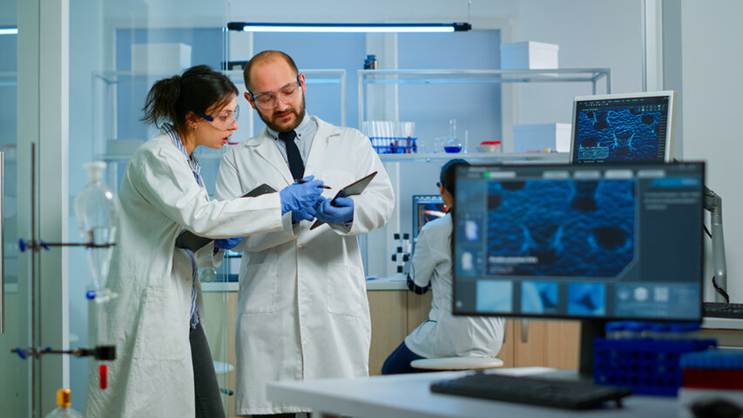
What makes a piece of medical technology great isn’t always the hardware. It’s the design the way it fits into daily life. Imagine a handheld ultrasound device no bigger than a phone, small enough to travel to a remote clinic, yet accurate enough to spot early complications in pregnancy. For a midwife in a rural village, that tool can mean the difference between crisis and calm, between uncertainty and confidence.
Innovations like these remind us that progress isn’t only measured in patents; it’s measured in people helped, in fear eased, in lives quietly transformed.
AI and Prosthetics: Restoring Mobility and Joy
Artificial intelligence isn’t about replacing doctors or nurses; it’s about enhancing what they can do. In prosthetics, AI is now allowing devices to adapt in real-time, learning from their wearers and moving almost like an extension of the body itself.
One young woman fitted with an AI-powered prosthetic described the moment she walked unassisted down the aisle at her wedding. It wasn’t just about walking. It was about reclaiming a piece of herself. That’s the true measure of innovation restoring not just function, but joy.
Navigating the Hurdles
No breakthrough journey is without turbulence. Between regulatory red tape, steep research costs, and questions about data ethics, progress can feel painfully slow. Yet, behind every prototype is a team of stubborn optimists, testing, refining, and trying again.
Many of them are guided by one mantra: iterate with intention. It’s not just about making technology better; it’s about making it matter. Each version edges closer to affordability, inclusivity, and purpose.
Nanotechnology and the Next Frontier
Zoom in far enough, and the next medical revolution starts to appear literally. Nanotechnology is pushing medicine into remarkable territory: microscopic robots targeting cancer cells with surgical precision, sensors that predict epileptic seizures days in advance. The science reads like fiction, but early trials show it’s inching steadily toward reality.
The next great leap? Personalization. Devices tuned not only to our DNA but to our daily lives and cultural contexts. Medicine that feels like it knows you. It’s a quiet revolution, one that prioritizes individual experience over one-size-fits-all care.
Collaboration and Collective Progress
Behind every incredible invention stands a team. Engineers, designers, physicians, ethicists and perhaps most importantly, patients, all sit at the same table, shaping the next generation of healthcare tools. As one innovator put it, The best devices come from stories, not silos.
This spirit of collaboration is spreading. You’ll find it in startup labs, in university halls, even in garages where students tinker late into the night. Innovation isn’t a solo act; it’s a collective pulse, strengthening with each shared heartbeat.
As medicine speeds toward the future, one truth persists: people are at its core. The pioneers leading this charge don’t dream of machines that replace care but of tools that make compassion scalable.
From a child breathing easier with a smart inhaler to an elder finding independence through a simple voice-activated monitor, these are the quiet revolutions shaping tomorrow’s healthcare. And as long as innovators keep pairing heart with hardware, that future will always feel human.